3 Nov 2026
Unified Transaction Networks Linking Reel Mechanisms, Dealer Interactions, and Event Wagering Rewards
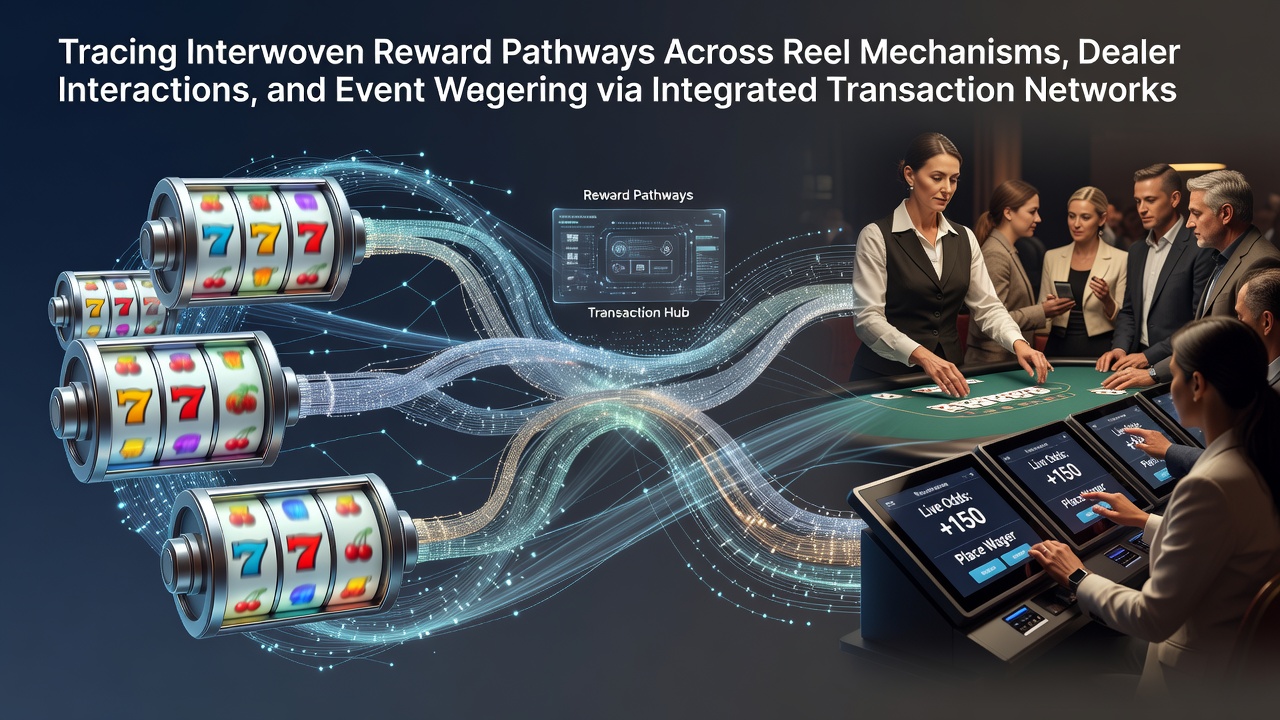
Integrated transaction networks now connect reel mechanisms in slot machines with dealer interactions at live tables and event wagering platforms in sportsbooks, allowing reward points and bonuses to flow across these distinct areas without separate accounts or manual transfers. Operators deploy centralized ledgers that record every spin, card dealt, and bet placed while updating player profiles in real time. Data from these systems show that players who move between formats accumulate loyalty rewards at higher rates than those who remain in one category because the networks automatically convert activity into unified credits.
How Reel Mechanisms Feed into Broader Reward Pools
Reel mechanisms track bet size, frequency, and bonus triggers through embedded sensors and software protocols that feed directly into the shared network, so a series of high-value spins on progressive jackpot slots immediately registers on a player's overall profile. When the same account logs into a live dealer environment, accumulated points from reels unlock table-specific perks such as reduced rake or priority seating. Observers note that this linkage reduces friction for participants who switch formats mid-session because the transaction layer handles currency conversion and reward synchronization automatically.
Studies from the University of Nevada's International Gaming Institute indicate that cross-format tracking increases average session length by integrating reel data with table and event streams. The networks use API connections to pull metrics like coin-in totals from slots and merge them with chip values at dealer tables, creating a single loyalty tier that advances regardless of the chosen activity.
Dealer Interactions and Real-Time Point Allocation
Live dealer interactions rely on RFID chips and table management software that transmits each wager and outcome to the central transaction network within seconds, enabling instant reward credits that players can apply elsewhere. A blackjack hand settled at a physical or virtual table updates the same balance used for upcoming sports event wagers, eliminating the need for separate wallets. Figures from the American Gaming Association reveal that properties with fully integrated systems report higher retention among players who combine table play with event betting because the unified ledger prevents reward fragmentation.
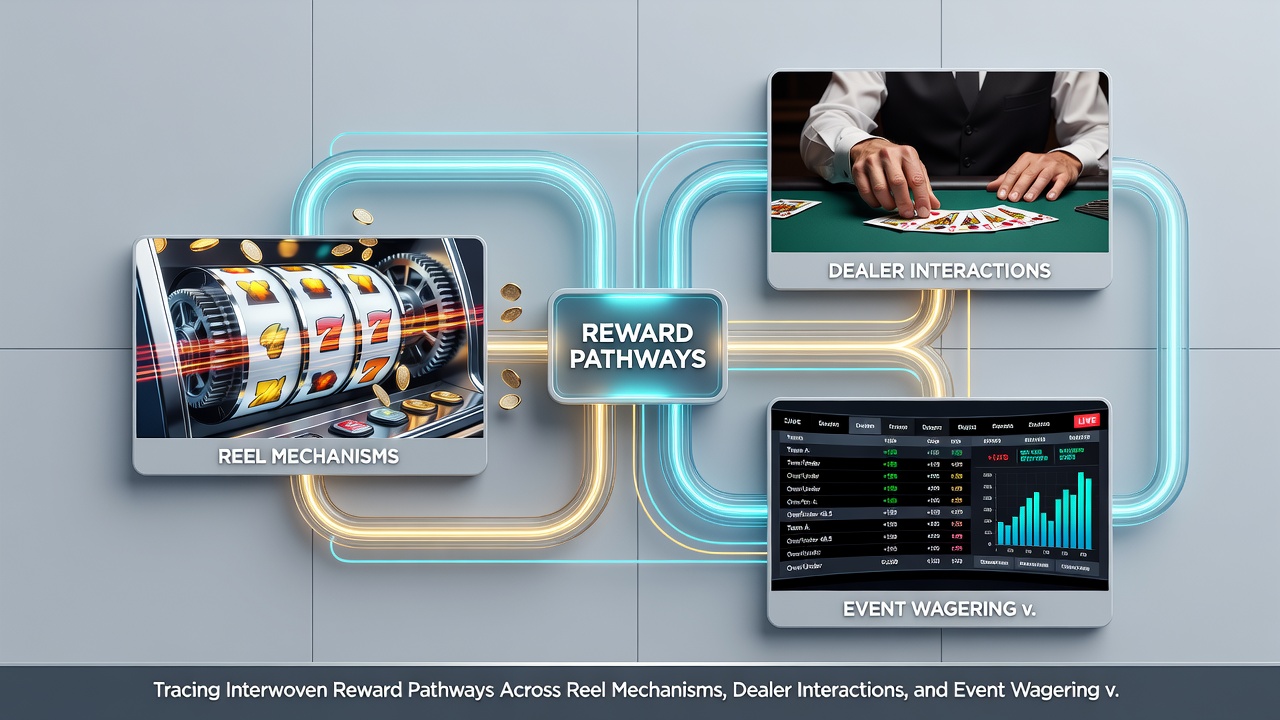
Dealers themselves interact with the network through handheld terminals that log tips and player preferences, data that later influences personalized offers across reel and event channels. This approach ensures that high-volume table participants receive targeted reel bonuses or event wager credits without manual intervention from casino staff.
Event Wagering Integration and Cross-Platform Credits
Event wagering platforms pull from the same transaction backbone, converting live sports bets or esports outcomes into loyalty points that carry equal weight to those earned on reels or at dealer tables. When a player places a parlay on a major November 2026 football schedule, the network calculates risk-adjusted rewards and applies them instantly to the shared profile, making those points available for subsequent slot sessions or table buy-ins. Regulatory filings from the Nevada Gaming Control Board document the technical standards that require such networks to maintain audit trails across all three formats, ensuring compliance while supporting seamless transfers.
Transaction processors use encrypted ledgers to handle currency movements between event markets and casino floors, so a winning sports wager can fund immediate reel play or dealer table entry. Those who've examined operator reports find that this integration supports tiered VIP structures where activity in any channel contributes to status elevation, with event wagering often providing the largest single-session boosts due to higher average bet sizes.
Technical Architecture Supporting the Pathways
Modern architectures employ cloud-based ledgers and edge computing nodes at each gaming terminal, whether reel cabinet, dealer pit station, or sportsbook kiosk, to minimize latency during point updates. Middleware layers translate diverse game protocols into a common data format that the central reward engine processes, allowing a single API call to adjust balances across formats. Research papers published by the Canadian Gaming Association highlight how these systems reduce reconciliation errors that previously occurred when separate platforms handled slots, tables, and events independently.
Security protocols include multi-factor authentication at the network level and continuous monitoring for anomalous transaction patterns, measures that protect the interwoven reward pathways from external interference while preserving player access across devices.
Conclusion
Transaction networks continue to evolve by expanding the connections between reel mechanisms, dealer interactions, and event wagering, with data streams from each area feeding a unified reward structure that operators maintain through standardized protocols and regulatory oversight. Players encounter fewer barriers when moving between formats because the underlying systems handle synchronization automatically, while operators gain comprehensive visibility into activity patterns that inform future network refinements.