14 Aug 2026
Unified Reward Ecosystems Powered by Seamless Payment Links in Multi-Game Environments
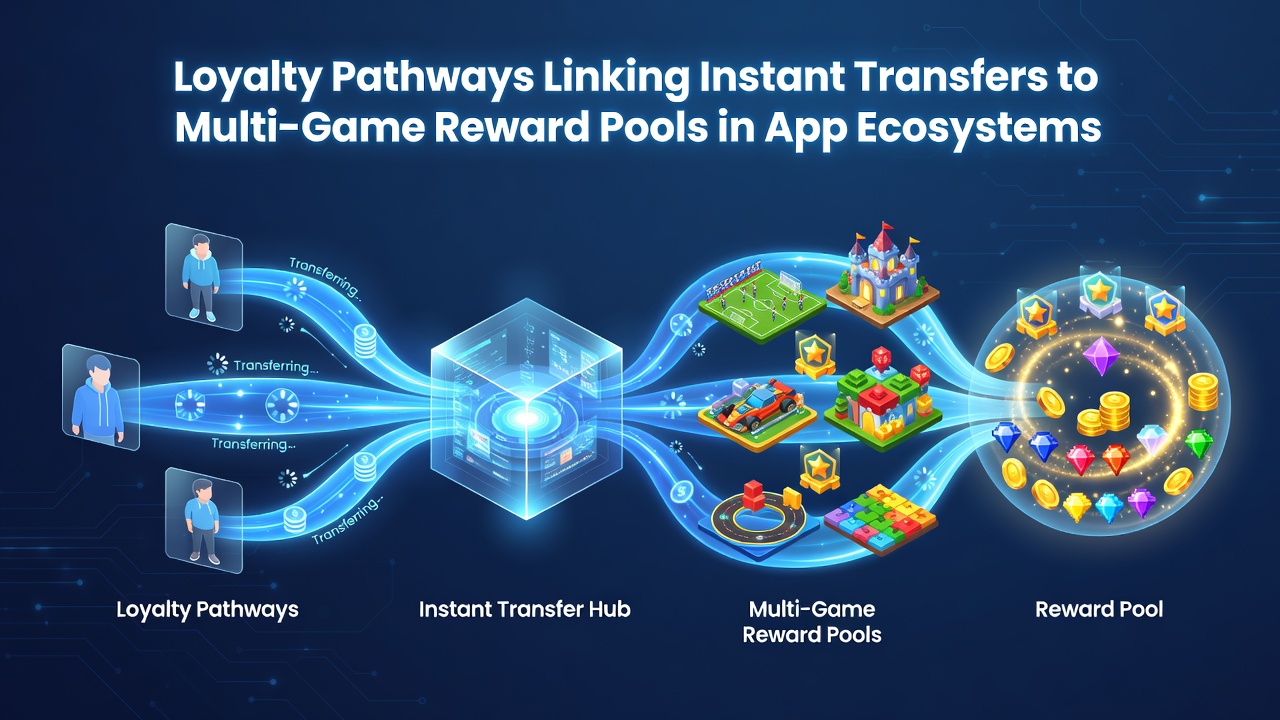
App ecosystems in digital gaming have developed structured loyalty pathways that tie instant transfers directly to multi-game reward pools, and these systems allow players to move funds quickly while accumulating points across slots, table games, and sports features within a single platform. Operators design these pathways so that each deposit or withdrawal triggers automatic updates to a central reward ledger, which then distributes value into shared pools that multiple game types can access simultaneously.
Mechanics of Instant Transfers in Loyalty Frameworks
Instant transfer tools process payments in seconds rather than minutes, and this speed lets loyalty engines credit points to player accounts without delay, while the same transaction feeds data into reward pools that span several game categories. Developers integrate APIs from payment providers so that every verified move updates both the balance and the loyalty tier in real time, creating a continuous loop where faster movement generates more frequent pool contributions. Research from the University of Las Vegas gaming studies group shows that platforms using sub-second processing see higher cross-game participation rates because players remain active instead of pausing between sessions.
Building Shared Reward Pools Across Game Types
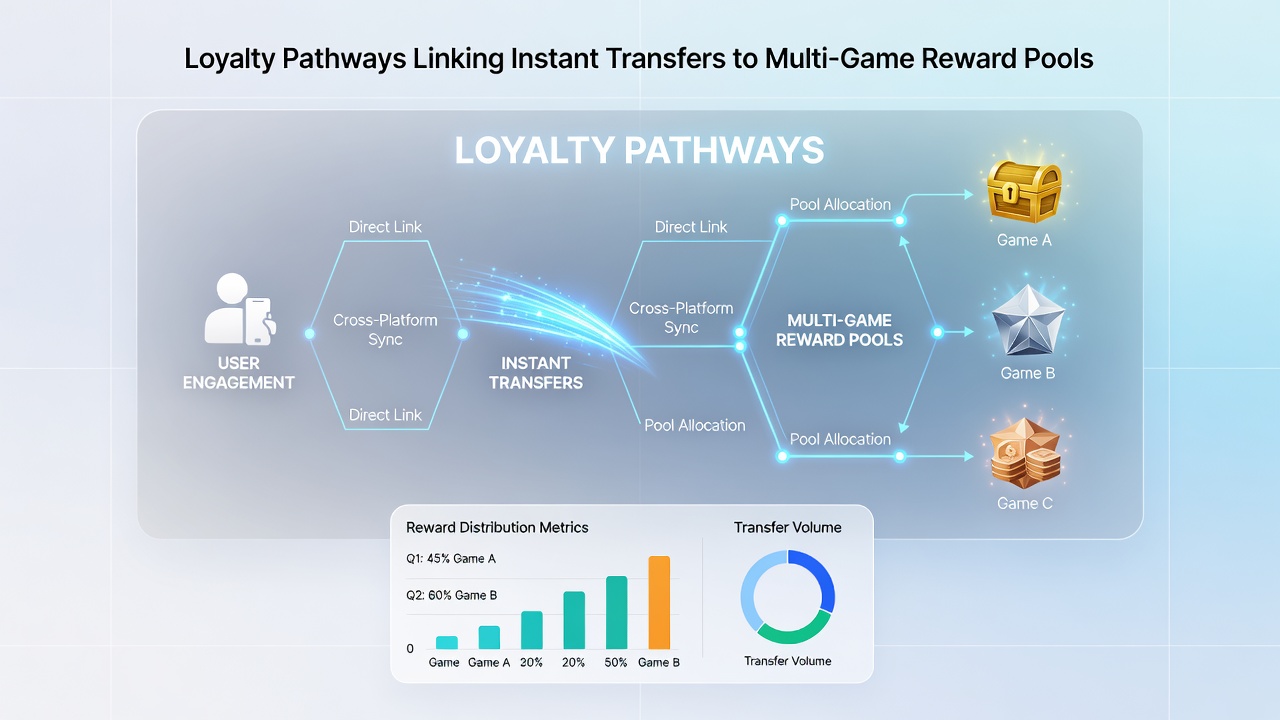
Multi-game reward pools collect contributions from every title in the ecosystem and then allocate percentages back to active users based on their transfer volume and play history, and this structure encourages participants to explore new games rather than staying in one mode. When an instant transfer lands, a portion of the fee or a fixed amount routes automatically into the pool, which grows until periodic distributions occur according to predefined rules. Observers note that these pools often reset on monthly cycles, and data from August 2026 indicated that several large operators recorded pool values exceeding several million units during peak summer periods because transfer activity remained steady across regions.
Cross-Game Integration Examples
One operator linked its slot lobby directly to live dealer tables through a single loyalty ledger so that points earned on reels convert instantly when the player switches to blackjack, and the same pool funds both daily challenges and seasonal tournaments. Another platform routes sports bet settlements into the same reward system used for table game progressions, which means a winning wager can boost eligibility for slot-based jackpots without separate registration steps. These connections rely on unified player profiles that track every transfer and game interaction under one identifier, reducing fragmentation that once limited reward access.
Role of Regulatory Standards in Payment-Loyalty Links
Regulators outside the UK have issued guidance on how instant transfers must interface with loyalty systems to maintain transparency, and the Australian Communications and Media Authority requires clear disclosure of how transfer data feeds reward calculations. In Canada, provincial bodies have examined similar linkages to ensure players understand pool contribution rates before committing funds. These rules emphasize audit trails that record each transfer-to-pool movement, and operators must retain logs for compliance reviews that occur at regular intervals throughout the year.
Technical Infrastructure Supporting the Pathways
Backend systems use event-driven architectures so that a completed transfer immediately publishes an event to the loyalty service, which then calculates pool increments and player credits in parallel threads. Security layers encrypt the transaction metadata while still allowing the reward engine to read the necessary fields for tier advancement. Industry reports from the International Association of Gaming Regulators highlight that platforms adopting these architectures reduced latency complaints by measurable margins during 2025 testing phases that carried into the following year.
Player Behavior Patterns Observed in These Systems
Data shows participants who engage with instant transfers tend to spread activity across more titles within the same session, and this pattern strengthens when reward pools offer visible progress bars that update live after each move. Those who study retention metrics note that players return more consistently when they see direct connections between their deposits and upcoming multi-game bonuses. The structure also reduces drop-off rates during transitions between game types because the loyalty balance carries forward without reset.
Conclusion
App ecosystems continue to refine loyalty pathways that connect instant transfers to multi-game reward pools through unified ledgers and automated distribution rules. These mechanisms rely on rapid processing, transparent contribution formulas, and cross-title tracking to maintain engagement across varied gaming formats. As infrastructure and oversight evolve, the same technical foundations support further expansion of shared reward structures in coming development cycles.