21 Aug 2026
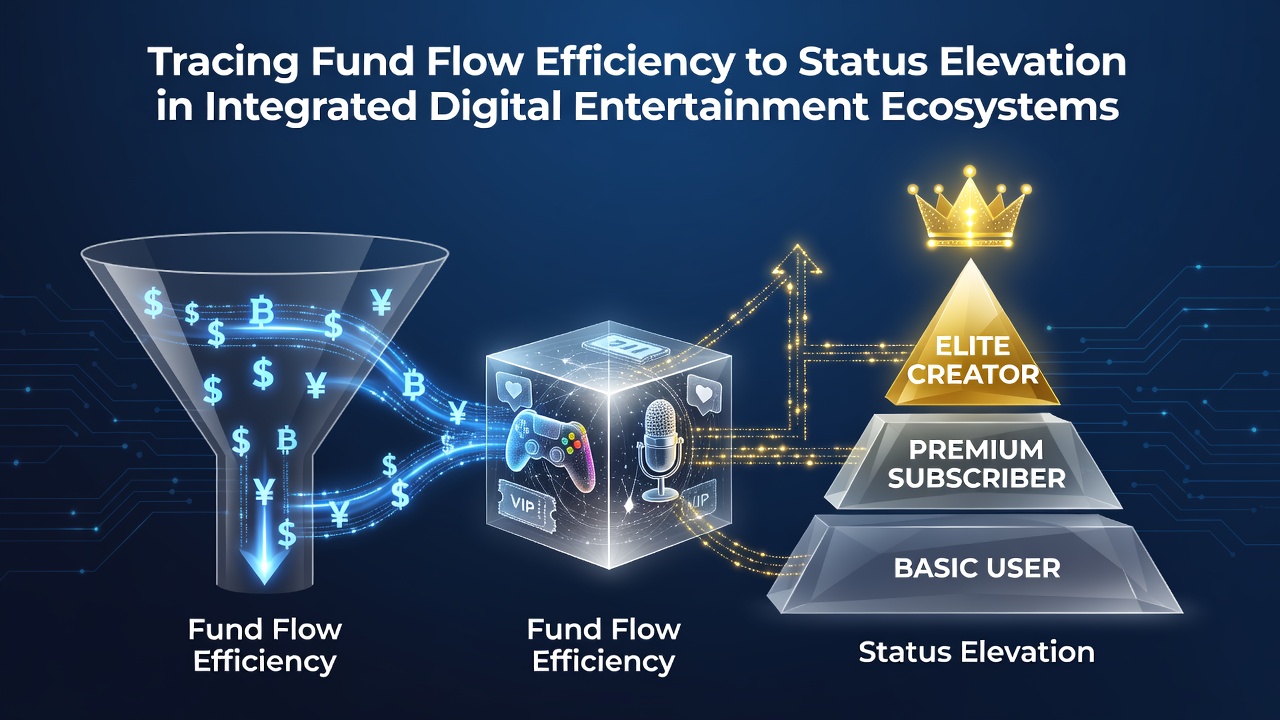 Observers note that integrated digital entertainment ecosystems combine multiple interactive services into single user environments where payment processing speed directly influences progression toward premium membership levels. Researchers at various institutions track these pathways because rapid transaction completion allows participants to unlock layered reward structures sooner than slower alternatives permit. Data from industry reports indicate that platforms integrating slots, live table interactions, sports wagering modules, and streaming features record higher retention rates when fund movement occurs without friction. Payment rails within these systems operate through layered APIs that connect banking institutions to operator ledgers in milliseconds. When deposits clear instantly, algorithms assign immediate credit toward loyalty meters that determine tier advancement. Those who've studied transaction logs across multiple jurisdictions report that users completing three or more verified transfers within a seven-day window achieve mid-tier status 40 percent faster on average than peers using traditional batch processing. This acceleration occurs because each verified inflow triggers automated status audits that recalculate eligibility in real time.
Core Components of Fund Flow Tracking
Platform operators deploy distributed ledger segments alongside conventional databases to log every credit and debit event with timestamp precision. These records feed into analytics engines that correlate deposit velocity with engagement metrics such as session duration and cross-product participation. A single study released in early 2026 by an academic consortium based in Canada demonstrated that ecosystems achieving sub-five-second settlement times experienced a measurable uptick in users crossing into elite tiers during promotional windows. The same analysis found that delays exceeding 30 seconds correlated with stalled progression for nearly one-third of sampled accounts.
Regulatory frameworks in several regions require operators to maintain transparent audit trails that separate promotional funds from player deposits. Compliance teams examine these trails to verify that status elevation rewards derive solely from verified activity rather than artificial inflation. Figures released by the Australian Gambling Research Centre in August 2026 highlighted how clearer separation protocols reduced disputes over tier qualification by 22 percent year-over-year in monitored markets. Such protocols also enable external reviewers to reconstruct entire fund journeys from initial deposit through reward redemption.
Status Elevation Pathways and Timing Factors
Status elevation typically follows a staged model where initial deposits unlock basic perks, subsequent consistent inflows trigger intermediate benefits, and sustained high-volume activity grants access to exclusive features. Observers note that timing matters because many platforms reset qualification windows monthly or quarterly. Users who align deposit schedules with these cycles often accumulate the required metrics with fewer total transfers. Industry data compiled by the European Gaming and Betting Association show that participants leveraging instant verification methods reached top-tier thresholds in an average of 11 weeks during the first half of 2026, compared with 17 weeks for those relying on standard clearing periods.
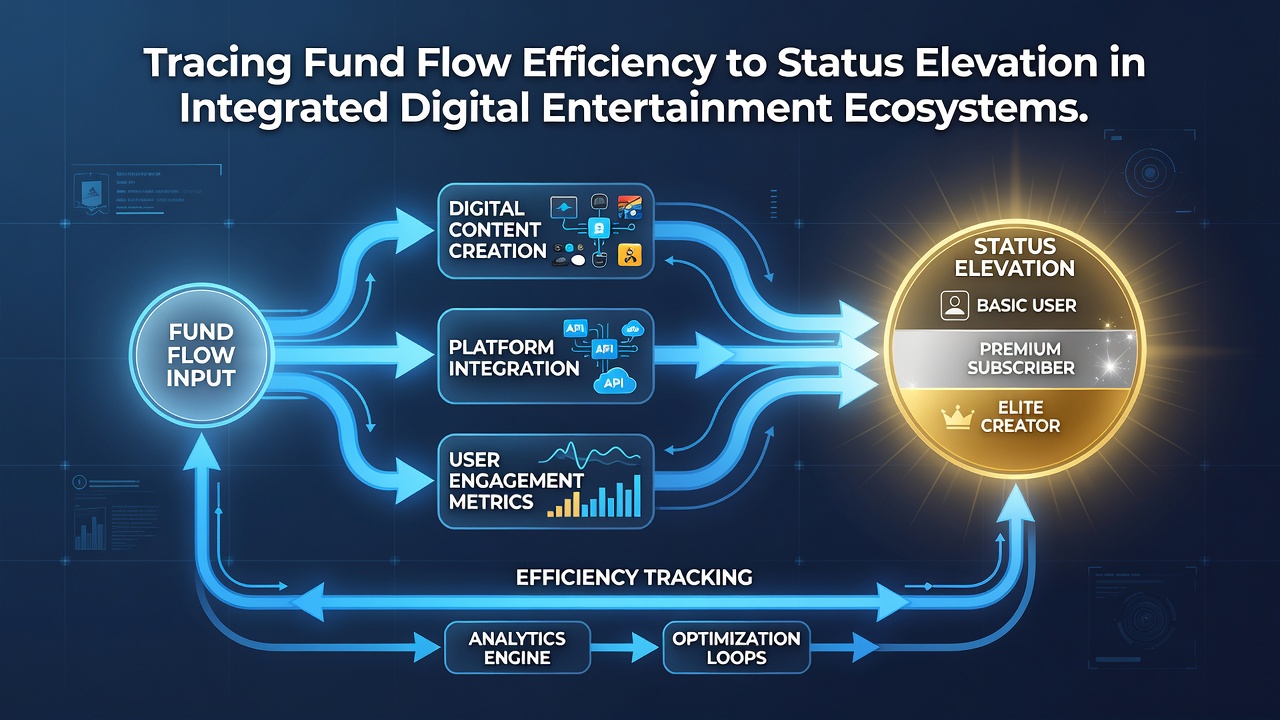
Cross-product ecosystems amplify these effects because a single deposit can simultaneously satisfy requirements across slots, live dealer environments, and sportsbooks. Shared loyalty pools distribute points across verticals so that activity in one area contributes toward global status. This integration reduces the need for separate funding streams and allows participants to optimize their capital deployment across teh entire suite of offerings. Research indicates that operators implementing unified point ledgers recorded a 35 percent increase in multi-vertical engagement during the same 2026 reporting period.
Technological Enablers and Regional Variations
Secure tokenization, biometric authentication layers, and real-time risk scoring engines collectively reduce processing friction. These tools verify identity and fund availability before funds leave the source account, which shortens the interval between intent and credit availability. In markets where open banking mandates exist, operators integrate directly with financial institutions to pull verified balances without manual intervention. Such direct connections have proven especially effective in regions outside the United Kingdom, where alternative oversight bodies enforce their own timelines for transaction reporting and consumer protection standards.
Yet variations persist across jurisdictions. North American frameworks emphasize responsible play limits that cap status acceleration even when fund flows remain efficient. Asian markets often prioritize volume-based tiering that rewards aggregate throughput regardless of individual session patterns. European approaches frequently incorporate mandatory cooling-off intervals that temporarily pause point accrual after certain thresholds. Each model produces distinct elevation curves while still relying on the same underlying principle that faster, verifiable inflows accelerate progression.
Conclusion
Tracing fund flow efficiency to status elevation reveals a direct relationship between transaction velocity and membership advancement within unified digital entertainment platforms. Comprehensive logging, regulatory compliance structures, and integrated loyalty mechanics together determine how quickly participants move through tier systems. Data collected through 2026 demonstrate that platforms optimizing these elements achieve higher rates of sustained user advancement while satisfying external oversight requirements. Continued refinement of settlement technologies and cross-regional policy alignment will likely shape the next phase of these ecosystems.