21 Aug 2026
Tracing Fast Transaction Flows to Tiered Loyalty Benefits Across Mobile Slots and Live Table Games
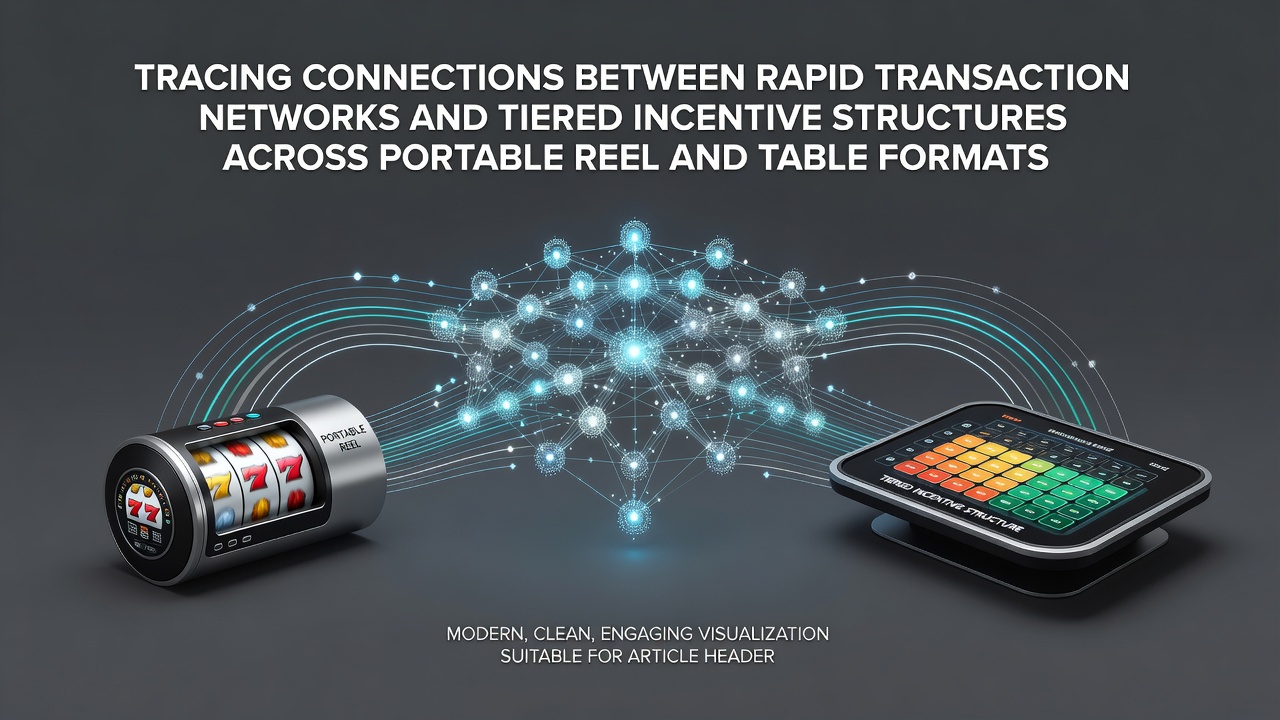
Observers in the gaming sector note that rapid transaction networks now link directly to tiered incentive structures in both portable reel formats and table environments, with payment speed determining how quickly players advance through loyalty levels. Data from industry reports show these connections have strengthened since 2024, particularly as operators integrate instant deposit systems with reward algorithms that track activity across devices.
Payment Speed as the Foundation for Tier Progression
Research indicates that transaction processing times under three seconds allow operators to credit bonuses immediately, which in turn feeds into the points systems that unlock higher tiers. Studies from academic sources reveal that players using these networks complete deposit-to-play cycles faster, resulting in higher session volumes that accumulate toward silver, gold, and platinum status. In portable reel formats, this acceleration shows up as automatic spin multipliers and cashback percentages applied within the same minute of deposit, whereas table formats apply similar credits to chip stacks during live sessions.
Mobile Reel Environments and Instant Reward Triggers
Portable reel platforms rely on application programming interfaces that sync transaction confirmations with reel spin mechanics, so a deposit triggers both game credits and tier progress bars simultaneously. Figures from gaming analytics firms demonstrate that users on these systems reach mid-tier rewards after an average of twelve transactions, compared with twenty-five on slower networks. Observers note that portable formats benefit from push notifications that alert players the moment their activity crosses into the next incentive bracket, creating a continuous loop where speed begets more play.
Yet the same networks operate differently when applied to table formats, where live dealer interfaces require verification steps that add seconds but still maintain overall velocity. Evidence suggests these added checks do not slow tier advancement because the underlying payment rails remain constant across both formats.
Cross-Format Incentive Alignment Through Shared Networks
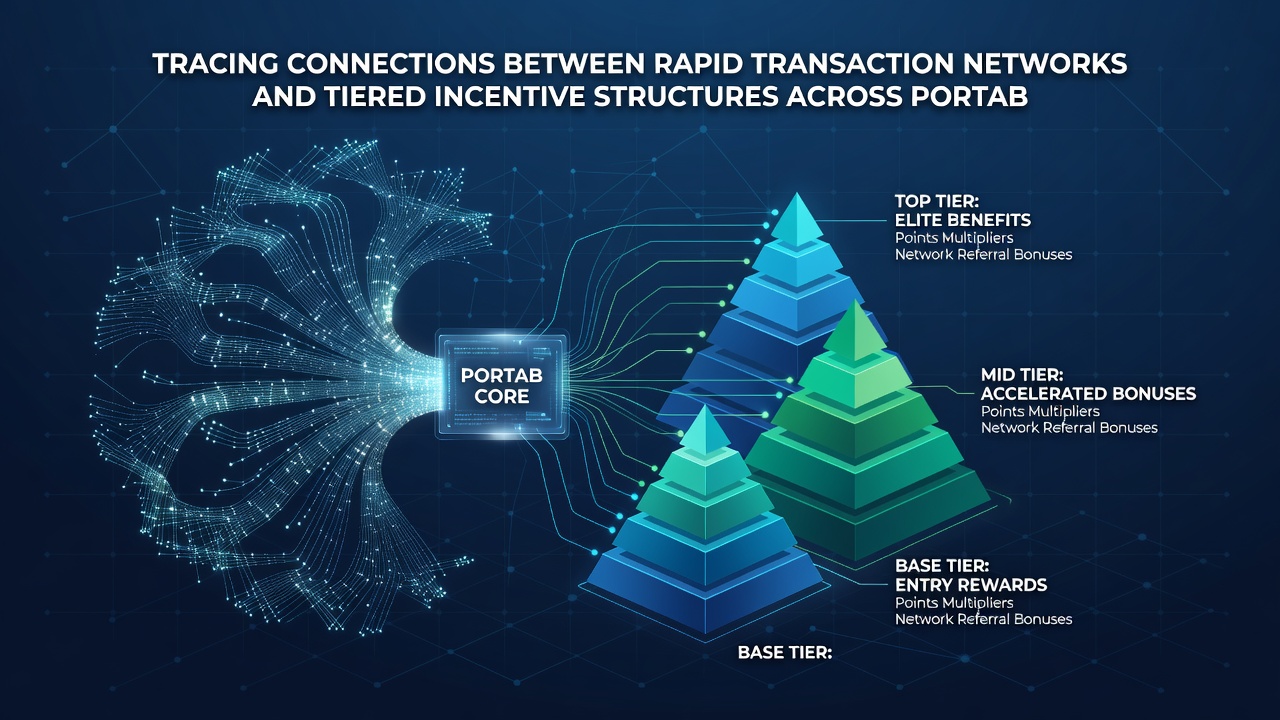
Operators have begun aligning incentive structures so that activity in mobile reels contributes to the same tier pool as time spent at virtual tables. According to reports from North American regulatory bodies, this unified approach emerged prominently in early 2025 and expanded further by August 2026, when several platforms updated their systems to reflect cross-format points in real time. The result appears in shared VIP calendars that list upcoming rewards regardless of whether a player prefers reels or tables on any given day.
Industry organizations tracking these developments report that rapid networks reduce friction between formats, allowing a player who deposits on a phone reel game to receive table-specific perks such as dealer tip credits within the same hour. Those who've examined transaction logs note that this synchronization depends on centralized ledgers that update tier status across all game types without manual intervention.
Regional Variations in Network and Tier Integration
European data shows faster adoption rates in markets where banking regulations already support instant transfers, while Australian research highlights how tiered structures adjust reward caps based on average transaction velocity. Canadian provincial reports from 2025 indicate that operators there began testing hybrid models in which mobile reel deposits automatically qualify players for table tournament entries once they hit bronze level. These regional patterns demonstrate that the underlying connection between payment speed and incentive depth remains consistent even as local rules differ.
Academic papers from gaming studies departments at several universities further document that players who experience sub-five-second processing times maintain higher retention across both reel and table offerings. The papers emphasize measurable outcomes such as increased average deposit frequency rather than any subjective preference for one format.
Technical Mechanisms Linking Transactions to Rewards
Engineers design application layers that tag each transaction with metadata including amount, speed, and format type, then feed this data into tier calculation engines. When a rapid transaction occurs on a portable reel, the system logs it as both a deposit event and a reel-specific multiplier opportunity. Table formats receive parallel tagging that converts the same transaction into live-game credits and progression markers. This dual tagging ensures that one payment event advances a player through incentives regardless of which format they choose next.
By August 2026, updates to several major platforms incorporated machine learning models that predict when a player is approaching the next tier based solely on recent transaction velocity, prompting automated offers that appear before the player even initiates the next deposit.
Conclusion
The documented links between rapid transaction networks and tiered incentive structures continue to evolve across portable reel and table formats, with data consistently showing that processing speed directly influences how quickly players access higher reward levels. Regional reports and technical analyses confirm that these connections operate through shared ledgers and real-time tagging systems, producing measurable outcomes in player progression regardless of game type. As platforms refine these integrations, the patterns observed through 2026 provide clear evidence of ongoing structural alignment between payment infrastructure and loyalty mechanics.