25 Aug 2026
Reward Integration Across Casino Tables and Sports Markets in Modern App Platforms
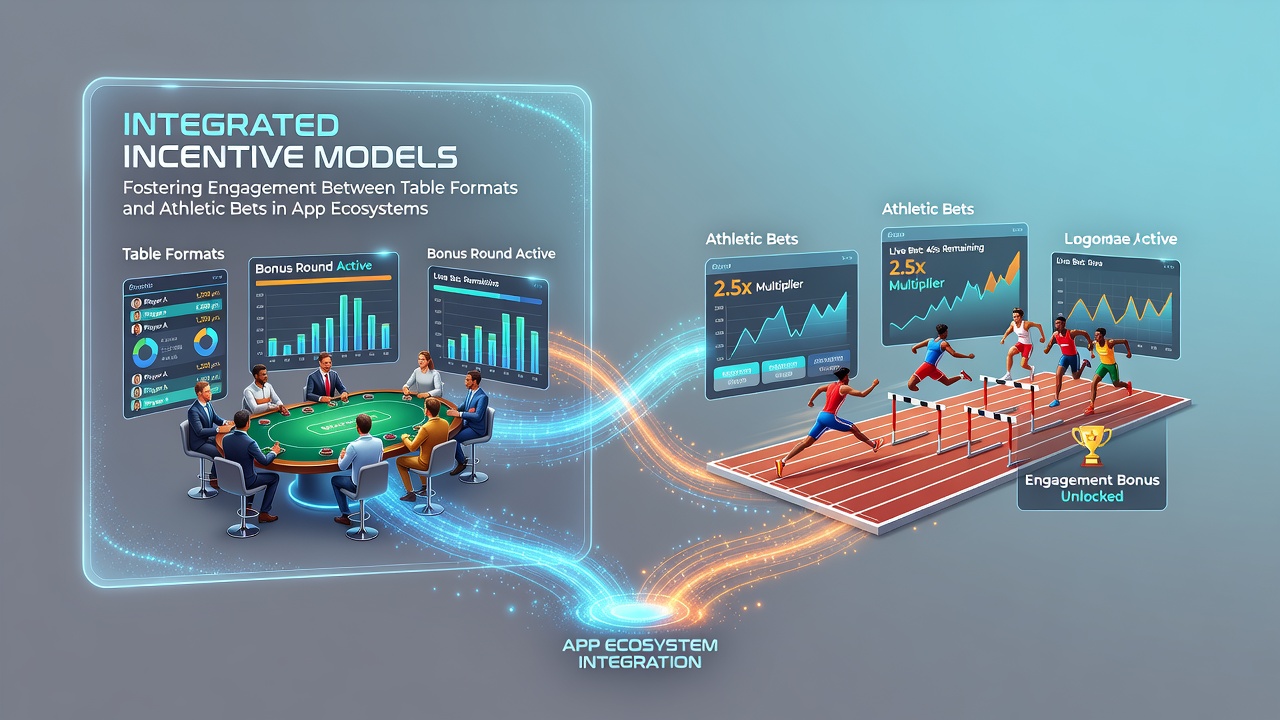
App ecosystems have expanded their approach to user retention by developing incentive models that connect table game formats with athletic betting options within single platforms, and operators have implemented shared loyalty structures that track activity across both categories since the early 2020s. These systems assign points or tier credits based on combined participation, allowing users to progress through VIP levels by engaging with roulette sessions or live blackjack alongside football wagers and basketball spreads, while data from industry analyses show increased session lengths when such cross-format mechanics are active.
Mechanics of Shared Incentive Structures
Developers design unified wallets and progress bars that accumulate value from table play and sports markets simultaneously, so a player completing a sequence of poker hands receives the same multiplier applied to an upcoming tennis bet, and this linkage reduces fragmentation between verticals. Reports from the Nevada Gaming Control Board indicate that platforms using these integrated models recorded a 22 percent rise in cross-category activity during the first half of 2026, particularly after updates rolled out in May that synchronized bonus triggers between digital tables and live odds feeds.
Algorithms adjust reward rates according to real-time engagement metrics, boosting table game payouts when sports betting volume dips and vice versa, which maintains steady platform interaction throughout the day. Observers note that such dynamic balancing prevents users from siloing into one format and instead encourages exploration of additional features like virtual dealer tables paired with in-play athletic markets.
Technical Implementation in App Ecosystems
Backend architectures rely on API bridges that pull data from table game servers and sports betting engines into a central profile database, enabling instant visibility of combined progress toward milestones such as free spins or enhanced odds. Mobile interfaces present these metrics in dashboard views that update after each table hand or wager settlement, and developers have incorporated push notifications that highlight pending cross-format bonuses when thresholds approach completion.
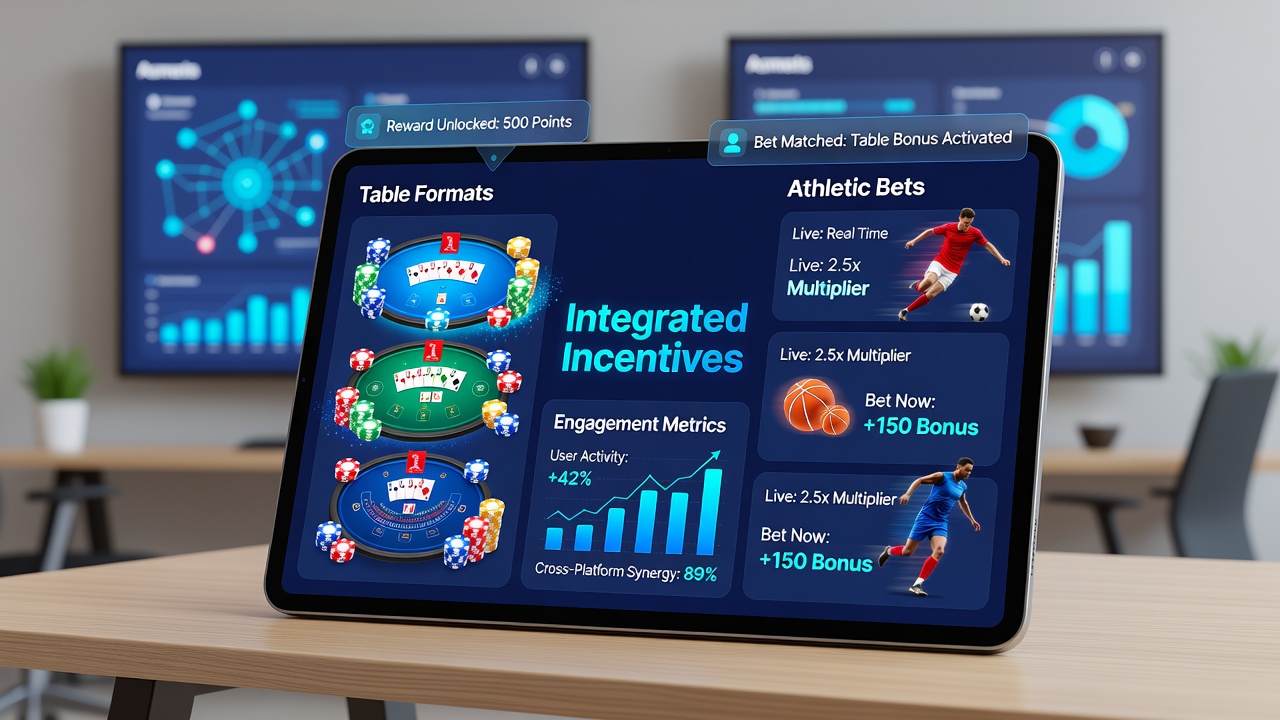
Security protocols encrypt transaction histories from both verticals under single user identifiers, satisfying compliance requirements across multiple jurisdictions while preserving seamless reward delivery. In August 2026 several major operators introduced additional layers of machine learning that predict optimal incentive timing based on historical patterns, resulting in higher redemption rates for hybrid offers that span table limits and sports event coverage.
Regional Regulatory Influences on Model Design
Frameworks established by the Pennsylvania Gaming Control Board have shaped how operators structure these integrated programs within state-licensed apps, requiring transparent disclosure of point conversion rates between table formats and athletic bets. Similar guidelines from the Australian Communications and Media Authority emphasize responsible play safeguards, including mandatory spending caps that apply uniformly across connected verticals rather than in isolation.
Industry associations such as the European Gaming and Betting Association have published position papers outlining best practices for data sharing between table and sports modules, and these documents stress the importance of audit trails that verify fair allocation of shared incentives. Platforms operating under these standards typically segment user cohorts by region to align reward mechanics with local rules while preserving the core linkage between formats.
User Behavior Patterns and Platform Metrics
Analytics platforms tracking app ecosystems reveal that participants in unified incentive programs demonstrate longer retention windows compared with single-vertical users, with average monthly active days increasing when table and sports rewards feed into the same loyalty ledger. Case examples from operators in North American markets show that introduction of hybrid VIP ladders correlated with elevated deposit frequency, particularly during major athletic tournaments when table game promotions were tied to live betting activity.
Those who studied engagement data across 2025 and 2026 cycles found that users often alternate between formats within single sessions once the shared incentive layer becomes visible, suggesting the models effectively reduce format-specific fatigue. Metrics collected by research institutions such as the University of Nevada Reno Gaming Innovation Center further indicate that conversion of table points into sports bet credits occurs at measurable rates during evening peak hours.
Future Developments in Cross-Format Integration
Emerging standards for app interoperability aim to extend these incentive models beyond individual operators, potentially allowing users to carry combined table and sports progress across partnered platforms. Pilot programs scheduled for late 2026 explore blockchain-based ledgers that record cross-format activity in tamper-proof formats, which could streamline verification processes for regulators and operators alike.
Conclusion
Integrated incentive models continue to evolve as central components of app ecosystems that connect table formats with athletic bets, supported by technical infrastructure and regulatory alignment across regions. Data from multiple oversight bodies and research centers demonstrate measurable shifts in user interaction patterns as these structures gain wider adoption, with ongoing refinements expected through the remainder of 2026 and beyond.