22 Sep 2026
Mobile Transfers Forge Connections Between Elite Tiers in Slots, Live Dealer Tables, Sports Markets, and Shared Pools
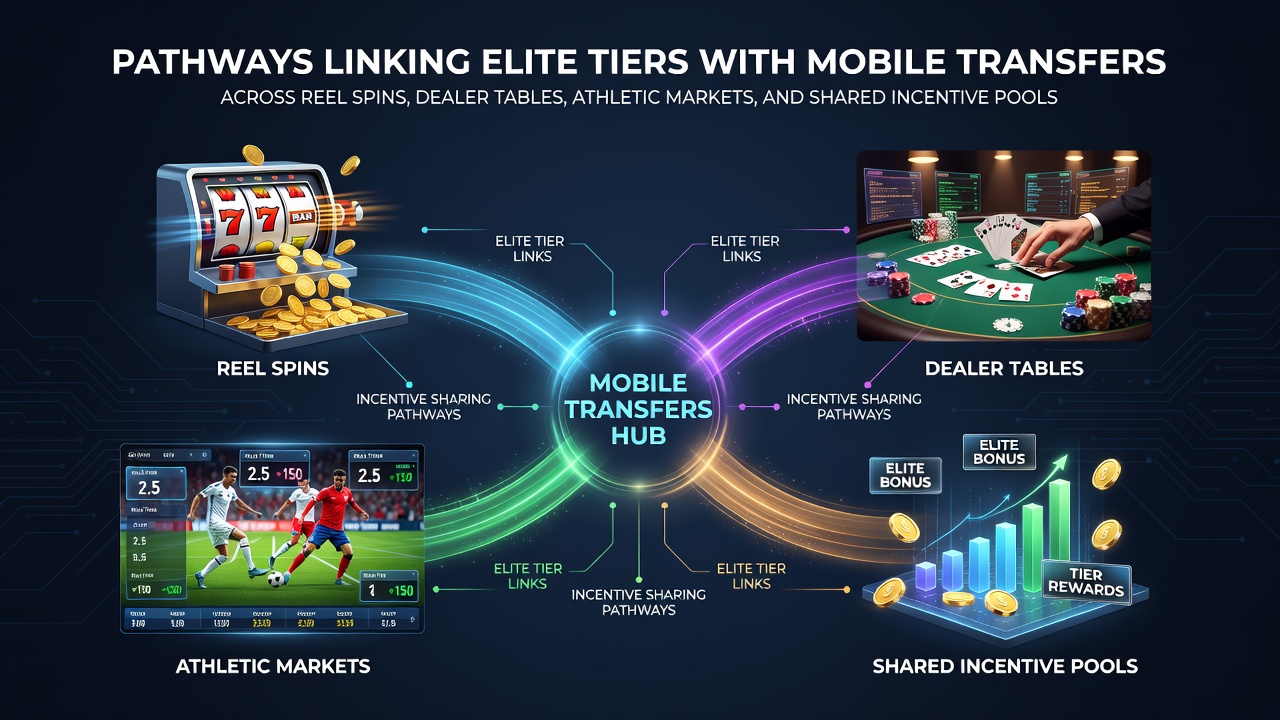
Operators have developed systems that route mobile transfers directly into unified loyalty structures, allowing points earned on reel spins to convert into credits usable at dealer tables or athletic markets without separate logins or manual claims. These pathways operate through application programming interfaces that update balances in real time while maintaining separate ledgers for each vertical until a player elects to consolidate rewards into shared incentive pools.
Mechanics of Cross-Vertical Transfers
Data from platform providers indicates that mobile wallets now handle instant conversions between slot metrics and table game contributions, with the same account serving sports wagers once thresholds are met. Transfers occur via encrypted sessions that log each movement against a central player profile, enabling operators to track progress toward elite tier status across all activities simultaneously.
Shared incentive pools aggregate contributions from multiple game types, then distribute portions back according to predetermined formulas that factor in both volume and tier level. Mobile applications display these pools in consolidated dashboards, where users can initiate transfers that move value from one category to another while preserving the integrity of individual game histories.
Elite Tier Progression Through Unified Systems
Observers note that players advance through elite tiers by accumulating activity across slots, live dealer sessions, and sports markets within a single mobile interface. Tier benefits such as reduced fees on transfers or priority access to certain pools activate automatically once cumulative data meets the criteria, regardless of which vertical generated the qualifying activity.
Research from the University of Nevada, Las Vegas Center for Gaming Research shows that integrated mobile systems reduce the steps required for tier upgrades by routing all qualifying spend through one verification layer. This structure allows operators to apply consistent rules while still segmenting risk and regulatory reporting by product type.
Role of Mobile Transfers in Pool Management
Transfers into shared incentive pools happen through scheduled or on-demand mobile requests that pull from available balances in any connected vertical. Once deposited, the pooled amounts become subject to collective payout rules that may include multipliers based on a player’s current elite tier. September 2026 is expected to see expanded testing of these transfer protocols in several North American jurisdictions, where regulators are reviewing standardized reporting formats for cross-product pools.

According to figures published by the American Gaming Association, mobile-driven consolidation of rewards has increased the average number of active verticals per elite-tier account in markets where such systems operate. The same reports note that transaction logs now include timestamps and origin verticals for every movement into or out of shared pools, supporting audit requirements without additional manual reconciliation.
Regulatory and Technical Considerations
Technical standards developed by the European Gaming and Betting Association specify that mobile transfer pathways must maintain separation between game-specific ledgers and pooled balances until a player explicitly authorizes consolidation. These standards also require operators to display clear conversion rates and any applicable holding periods before funds become available for withdrawal or further play.
Operators have implemented automated compliance checks that flag transfers exceeding certain thresholds, ensuring that activity across reel spins, dealer tables, and athletic markets remains within jurisdictional limits. Mobile applications surface these checks to users at the point of transfer, providing the data needed for informed decisions without interrupting the flow between verticals.
Conclusion
Pathways that connect elite tiers with mobile transfers across reel spins, dealer tables, athletic markets, and shared incentive pools rely on real-time data synchronization and standardized conversion protocols. As platforms continue to refine these connections, the underlying architecture supports both operational efficiency and regulatory transparency across multiple product categories.