7 Aug 2026
Digital Currency Pathways Fueling Retention in Progressive Prize Pools and Interactive Dealer Experiences
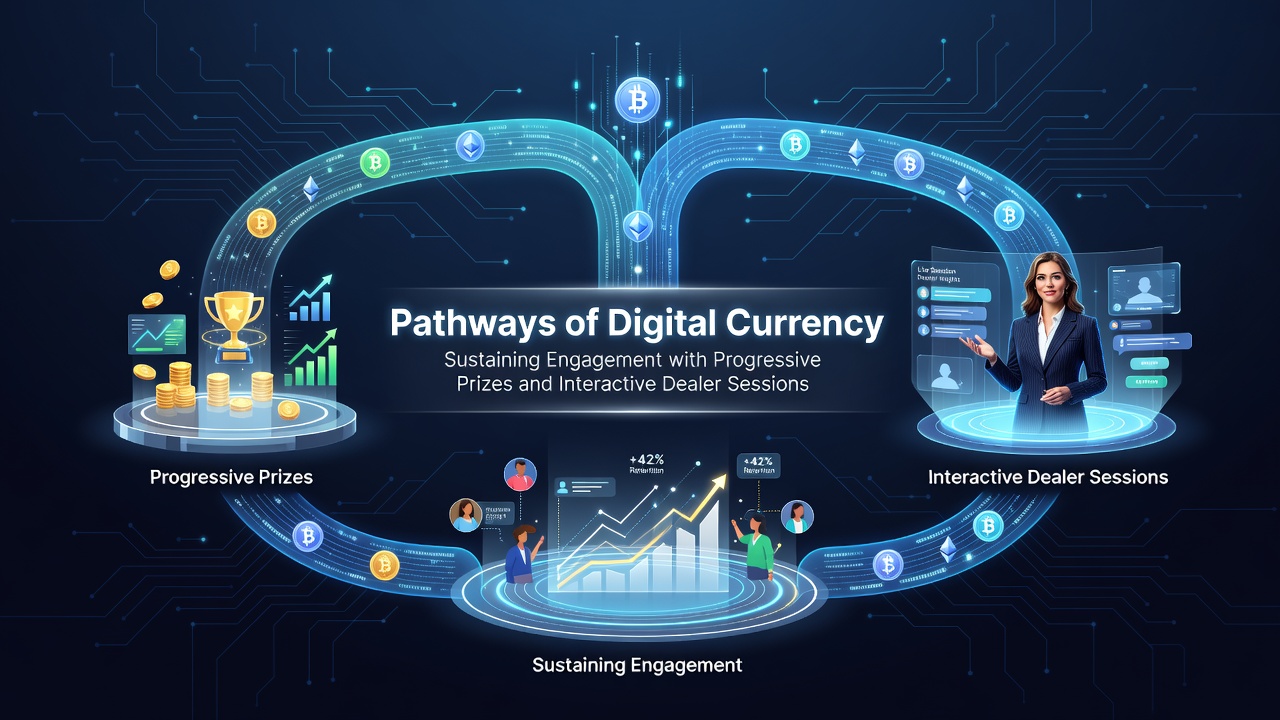
Digital currencies have carved distinct routes through online gaming platforms where progressive prize structures and live dealer interactions intersect with player activity cycles. Platforms integrate blockchain-based assets to manage prize pools that accumulate across multiple sites while live sessions stream real-time table play funded through the same wallets. Data from industry reports shows transaction speeds averaging under 30 seconds for many crypto options compared to traditional banking rails which often stretch into hours or days during peak periods.
Mechanics of Progressive Prize Integration
Progressive prize pools draw contributions from wagers placed in digital assets such as stablecoins or major cryptocurrencies with each bet incrementing a visible meter that resets after payouts. Systems track contributions across jurisdictions through shared ledgers that update every few minutes allowing operators to display unified totals even when players connect from separate regions. Research from the University of Nevada Las Vegas gaming laboratory indicates that pools denominated in digital currencies maintain higher visibility metrics because wallet balances update instantly without intermediary clearing delays.
Operators allocate portions of house edges directly into these pools while smart contracts enforce distribution rules once thresholds are met. This setup reduces manual reconciliation tasks and creates audit trails that regulators in multiple markets review during compliance checks. In August 2026 several North American platforms reported increased pool sizes after expanding support for additional token types which broadened participation from users holding assets previously incompatible with older systems.
Live Dealer Session Engagement Patterns
Interactive dealer sessions incorporate digital currency deposits to streamline entry into tables where players select stakes and receive chips converted at real-time rates. Cameras capture card shuffles and wheel spins while chat overlays allow participants to communicate directly with dealers who confirm actions through on-screen prompts tied to wallet confirmations. Observers note that sessions funded via digital assets often extend longer because players avoid repeated funding interruptions that occur with card processors requiring additional verification layers.
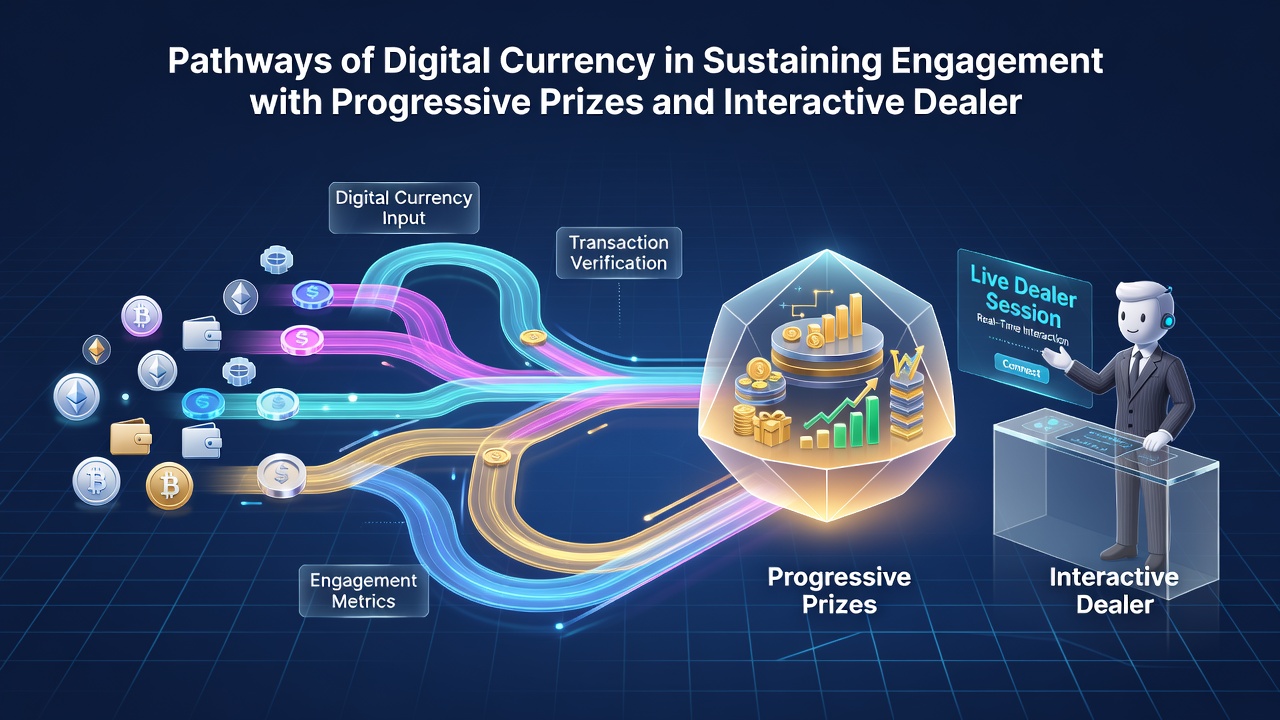
Engagement metrics tracked by platform analytics teams reveal that users who combine live play with progressive contributions through the same digital wallet tend to maintain activity across both formats within single sessions. Canadian regulatory filings from the Alcohol and Gaming Commission of Ontario document steady growth in live dealer traffic when operators added crypto options alongside fiat methods during 2025 testing phases. These additions coincided with extended average session durations without corresponding increases in dispute rates related to transaction failures.
Cross-Platform Retention Mechanisms
Retention strategies link progressive contributions earned during live sessions to rewards that unlock additional features such as private tables or bonus multipliers applied across future play. Loyalty programs convert digital currency activity into tier points that persist across account resets while prize pool participation history influences personalized table invitations. Figures released by the European Gaming and Betting Association highlight that platforms offering unified crypto wallets across game types record repeat visit rates approximately 18 percent higher than those limiting digital assets to slots alone.
Smart contract triggers release portions of accumulated progressive funds as loyalty bonuses when players reach defined activity thresholds measured in token volume rather than session count. This approach creates continuous loops where live dealer participation feeds back into larger prize opportunities without requiring separate deposit actions. Australian research published through the University of Sydney Business School examined similar systems and found that transparent ledger entries helped reduce player inquiries about prize eligibility by providing verifiable contribution records accessible through account dashboards.
Technical Infrastructure Supporting These Pathways
Backend systems route digital currency flows through payment gateways that interface with both progressive pool ledgers and live game servers simultaneously. Multi-signature wallets secure operator reserves while player funds remain in segregated addresses that process withdrawals on demand once network confirmations complete. Security protocols include real-time monitoring for irregular patterns with automated flags sent to compliance teams operating under frameworks established by bodies such as the Malta Gaming Authority.
August 2026 brought updates to several wallet integration standards that improved compatibility between progressive systems and live dealer software allowing operators to synchronize prize meters with table minimums in a single dashboard view. These technical refinements followed pilot programs conducted earlier in the year across platforms serving European and Asian markets where adoption rates for digital currency play had already exceeded 25 percent of total handle according to aggregated operator disclosures.
Conclusion
Pathways formed by digital currencies continue to connect progressive prize accumulation with interactive dealer sessions through shared wallet infrastructure and automated distribution rules. Evidence from regulatory filings and academic studies demonstrates measurable impacts on session length and repeat engagement when these elements operate within unified systems. Continued infrastructure refinements scheduled beyond August 2026 are expected to expand these connections across additional token types and regulatory environments while maintaining the ledger transparency that supports both player verification and operator compliance requirements.