20 Oct 2026
Algorithmic Incentives: Table Game Patterns Driving Slot Bonus Strategies in Mobile Environments
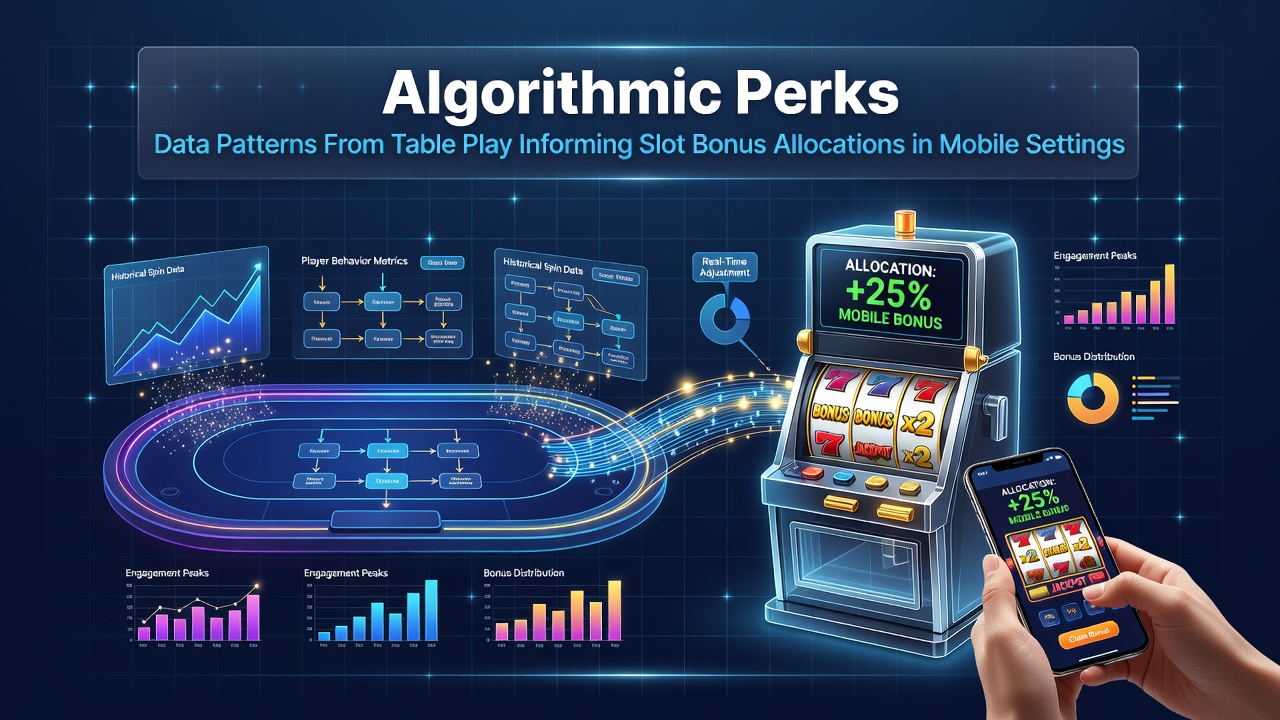
Operators in mobile gaming environments collect extensive datasets from table play sessions, and these records now shape the distribution of slot bonuses through algorithmic models. Research from industry analytics groups shows that metrics such as average bet size, session duration, and risk tolerance observed during blackjack or roulette directly influence the frequency and size of free spin offers or multiplier rewards in slots. Data indicates that players who maintain consistent wagering patterns at tables receive targeted slot promotions within the same app session, creating integrated reward loops across game types.
Data Collection Mechanisms in Table Environments
Table game interfaces on mobile platforms log every decision point, from card draws to wheel spins, and transmit these details to centralized servers for pattern analysis. According to reports issued by the Nevada Gaming Control Board, similar data streams help operators identify high-engagement segments while maintaining compliance with state reporting standards. Observers note that variables like win streaks or loss recovery attempts at tables feed predictive engines that forecast player responses to slot incentives. Those who studied these systems know the process relies on machine learning classifiers trained on anonymized historical play records rather than individual identities.
One study conducted by researchers at the University of Las Vegas examined how table-derived engagement scores translate into slot bonus tiers, and the findings revealed measurable uplifts in session length when allocations matched prior table behavior. Mobile apps execute these calculations in real time, adjusting offers between rounds without requiring players to switch interfaces. Figures from Canadian provincial gaming authorities further confirm that cross-game data integration has expanded since 2024, with mobile channels accounting for the majority of tracked interactions.
Algorithmic Allocation Processes for Slot Bonuses
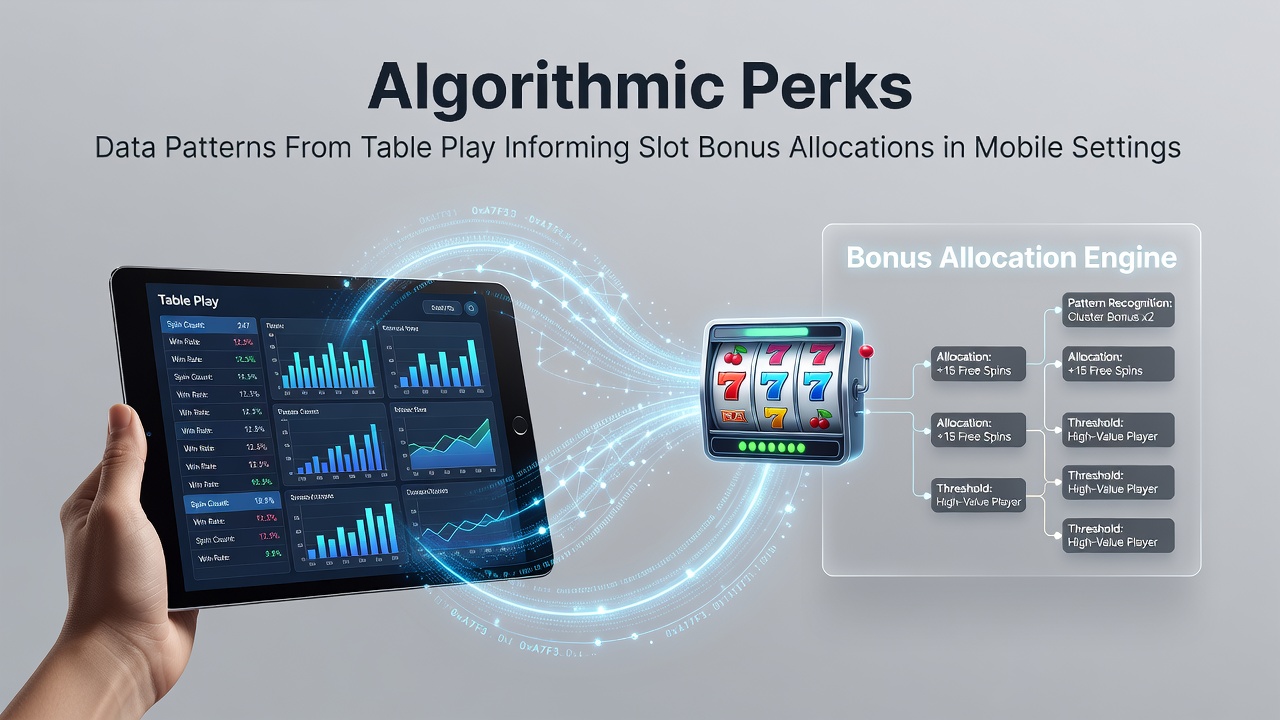
Slot bonus engines ingest table play vectors and apply weighting formulas that prioritize certain patterns over others. For instance, a player completing multiple high-stakes hands at virtual poker tables may trigger elevated free spin quantities upon entering a slot lobby, whereas conservative table strategies correlate with smaller but more frequent multipliers. The reality is that these mappings occur through rule-based overlays on top of core random number generators, ensuring regulatory separation between chance outcomes and promotional layers.
Industry organizations such as the European Gaming and Betting Association have documented how mobile developers test these linkages through A/B frameworks before full deployment. What's interesting is that the models continuously refine themselves using feedback loops from redemption rates and subsequent table returns. Players who accept slot bonuses derived from table data often exhibit higher cross-game retention, according to aggregated operator metrics shared at international conferences.
Regional Implementation Examples and Regulatory Context
In Australian jurisdictions, state regulators require operators to disclose how table-derived data influences promotional targeting, and public filings show increasing adoption of these hybrid models in 2025. One documented rollout involved a major platform linking roulette session heat maps to slot jackpot qualifiers, resulting in bonus uptake rates that aligned closely with projected figures. Those who've examined compliance records note that similar frameworks operate in several European markets outside the UK, where data protection rules mandate clear separation between gameplay telemetry and marketing outputs.
Academic papers published through gaming research centers highlight edge cases where table patterns fail to predict slot preferences, prompting operators to incorporate fallback randomization layers. Mobile settings amplify these dynamics because push notifications and in-app messaging deliver the resulting bonuses within seconds of table exit. Data from North American tribal gaming commissions indicates steady growth in such integrations, particularly among apps serving multi-state user bases.
Technical Considerations in Mobile Delivery
Latency constraints on mobile networks require the allocation algorithms to pre-compute likely bonus sets during active table sessions, caching results for immediate presentation. Engineers achieve this through edge computing nodes that mirror core server logic while respecting bandwidth limits. Observers note that battery and data usage remain minimal because the heavy processing occurs server-side, with only lightweight confirmation packets exchanged on the device.
Security protocols encrypt the table-to-slot data pathways to prevent interception, and independent audits verify that bonus triggers do not alter underlying game probabilities. Reports from the Australian Communications and Media Authority emphasize ongoing monitoring of these technical safeguards as adoption widens. Players experience the outcome as seamless transitions between game categories, unaware of the backend pattern matching at work.
Conclusion
Table play datasets continue to inform slot bonus allocations across mobile platforms through established algorithmic pathways that prioritize measurable behavioral signals. Regulatory bodies in multiple regions track these practices to ensure transparency and fairness, while technical implementations focus on efficient, secure delivery. Continued refinement of the underlying models depends on aggregated performance data rather than any single session outcome.